Fly Fishing Small Brooks: A Seasonal UK Tactics Guide
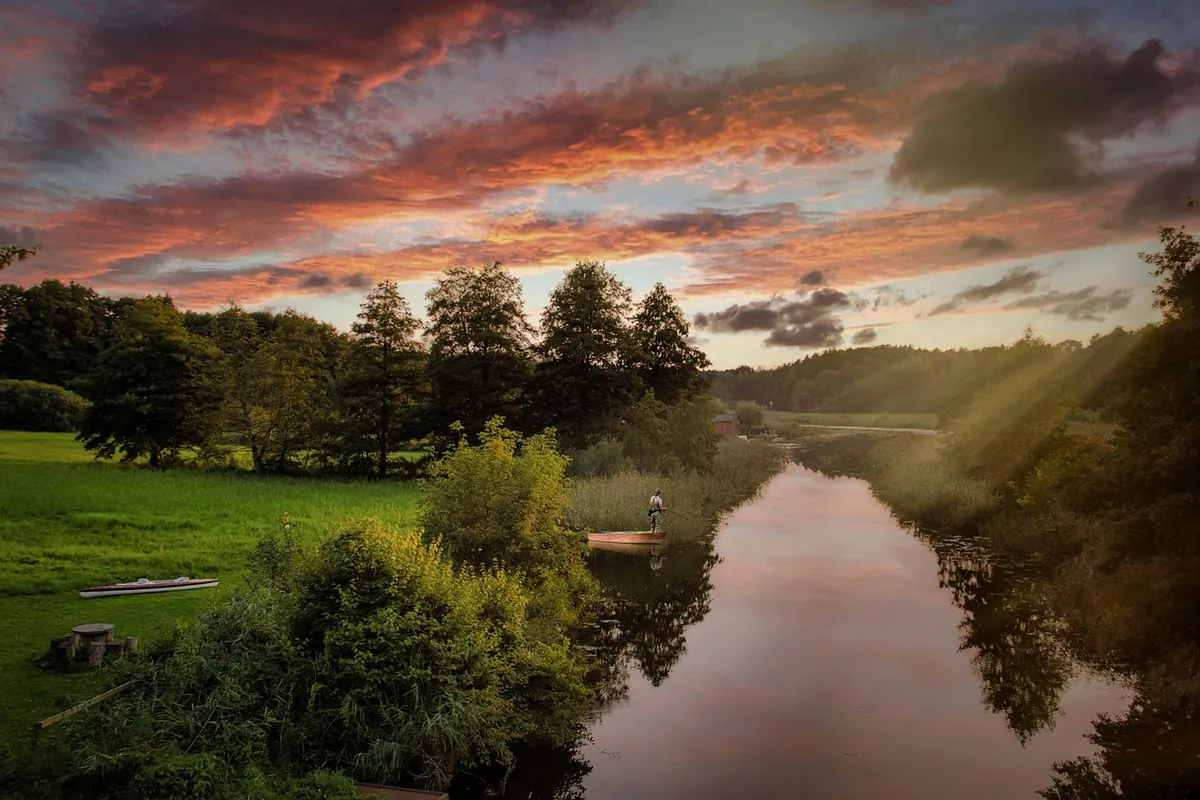
A brook four strides wide, hedged with alder and stinging nettles, can hold more wild brown trout than a mile of the local reservoir. They are small, quick and thoroughly paranoid. Fishing water this narrow is a game of inches: half a step in the wrong direction, a shadow across a pool, and the best fish in the brook has gone quiet for the day. The good news is that all of it is learnable in an afternoon, and the rewards are out of proportion to the size of the water.
Reading Water That's Barely a River
Most of a small brook holds no fish at all. The trout are packed into perhaps a tenth of it, and your job is to find that tenth before you make a cast. Walk the bank and look for:
- The cushion of slack water pushed up in front of a boulder, and the seams of fast water either side of it
- Undercut banks, tree roots and the shaded lip beneath a hawthorn or an alder
- Foam lines and the crease where two currents meet, both of which concentrate food
- The tail of a pool, where the water shallows and quickens before the next riffle
- Deeper glides on the outside of a bend, especially where a fallen branch has carved a pocket
If you can see the bottom everywhere, don't write the stretch off. A brook trout needs very little depth as long as it has cover overhead, and a run six inches deep under an overhanging branch is a genuine holding spot. Fish the deepest water available and work the edges of cover before you fish the open middle.
The Approach: Getting Close Without Being Seen
Trout in small brooks are spooky because they have to be. Herons, otters and every passing dog use the same water, and a fish that reaches its third summer has learned what a shape above the bank means. A few habits make an enormous difference.
- Stop short of the pool and watch. Give it thirty seconds before you move again. You will often spot a rise or a flash you would otherwise have waded straight through.
- Fish upstream where you can. The current then carries your line, your fly and any disturbed silt away from the fish rather than towards them.
- Stay on the bank and get low. Kneeling behind a tussock of grass beats standing in midstream every time. If you must wade, move slowly and expect the pool below you to go silent.
- Keep the sun in front of you so your shadow falls behind you and not across the water.
- Cast flat and low. A bow-and-arrow cast flicks a fly under branches no overhead cast will reach, and a roll cast rescues you when the bank behind is a hedge.
- Hold the rod tip high once the fly is fishing, keeping line off the water so the current cannot drag your fly.
The first cast into a pool is your best one. Make it count, and if you prick a fish, leave that pool for half an hour and fish somewhere else.
Spring: Cold Water, Small Flies, Short Windows
Early season brooks are chilly, and cold trout do not chase. Fish a small dark nymph — a pheasant tail or hare's ear in a size 16 or 18 — through the deeper glides and the pockets behind rocks, with just enough weight to tick the bottom now and then.
As the water warms through April and May the hatches begin. Grannom sedge, hawthorn, black gnats and small olives all bring fish up on brooks where you would not expect a rise. A sunlit brook warms faster than a big river, so the middle of the day can be the best part of it early in the season.
Spring rain changes everything. When a spate brook rises and colours, the trout move tight to the banks where the current is broken. Fish a bigger, darker fly close in and be ready to move every few minutes.
Summer: Low, Clear and Nerve-Racking
By July the brook is often gin-clear and barely moving, and the fish have seen every clumsy angler in the county. Fish the first two hours of daylight and the last two before dark; a hot afternoon is for watching, not casting.
Terrestrials do the work now: beetles, ants, small hoppers and the odd caterpillar blown out of the trees. Present a size 16 or 18 dry with a long leader and 6x tippet, and aim for shaded water under bushes rather than bright shallows. In the evening, a small sedge pattern twitched across a pool will pull fish up from surprisingly deep water. Resist the urge to cast at every rise. Pick the fish you can reach without showing yourself, catch it, then move on.
Autumn: Greed, Colour and Grayling
Autumn trout are feeding hard before spawning and are far less fussy than they were in August. A bushy dry — a small elk hair caddis or a Klinkhammer — will often do, and a slightly larger nymph fished through the faster water can be devastating.
On brooks that hold grayling, October onwards is their time. Look for them in the deeper glides and the slower tails of pools, fishing small nymphs and spiders close to the bottom. In cold water they often sit in the same lies you would fish for trout in June.
Season dates, close seasons and byelaws differ across England, Wales, Scotland and Northern Ireland, and plenty of small brooks are privately rented. Check the current rules and make sure you have permission before you fish.
Tackle That Suits Tight Water
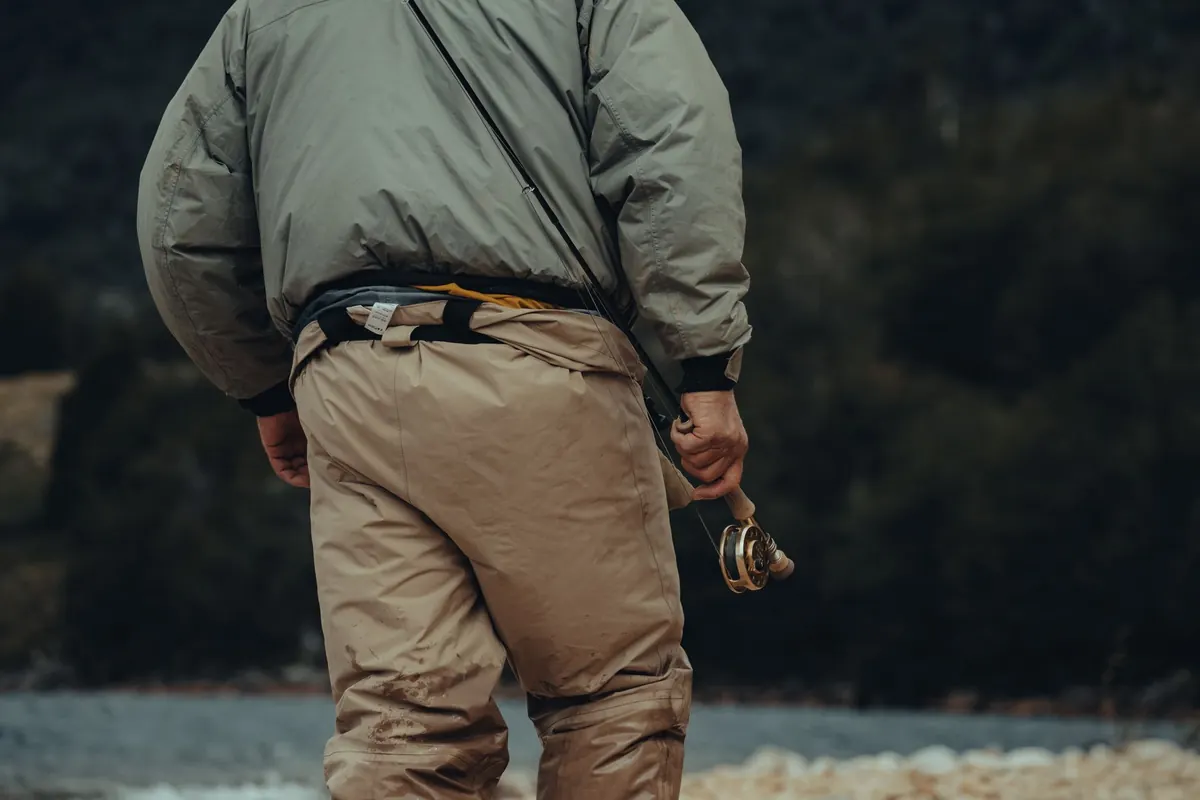
A short rod is a joy here: something around 6ft 6in to 7ft 6in in a 2 or 3 weight, paired with a double taper line that rolls out neatly in cramped spaces. Long rods struggle under branches and feel heavy after a few hours of crouching. A small box covers a whole season:
- Spring: pheasant tail, hare's ear, small grannom and hawthorn patterns, sizes 14–18
- Summer: black and cinnamon ants, small beetles, CDC olives, elk hair caddis, sizes 14–18
- Autumn: Klinkhammers, larger caddis and slightly heavier nymphs, sizes 12–14
Add a 9–12ft tapered leader, tippet down to 6x, polarised sunglasses and a soft-mesh landing net. Keep your hands wet, unhook fish quickly and return them without fuss; a brook trout that goes back properly will be there next season.
A Short Brook Checklist
Before you put a fly on the water, run through this:
- Walk a hundred yards of bank first, reading the water rather than the pool you noticed from the car.
- Plan the approach so you finish up fishing upstream and out of sight.
- Fish the near edge and the shaded bank before the open middle — those are the lies most anglers walk past.
- Make the first cast your accurate one; on water this narrow, precision beats distance.
- Move after a fish or two. Small pools recover slowly, but there is always another one upstream.
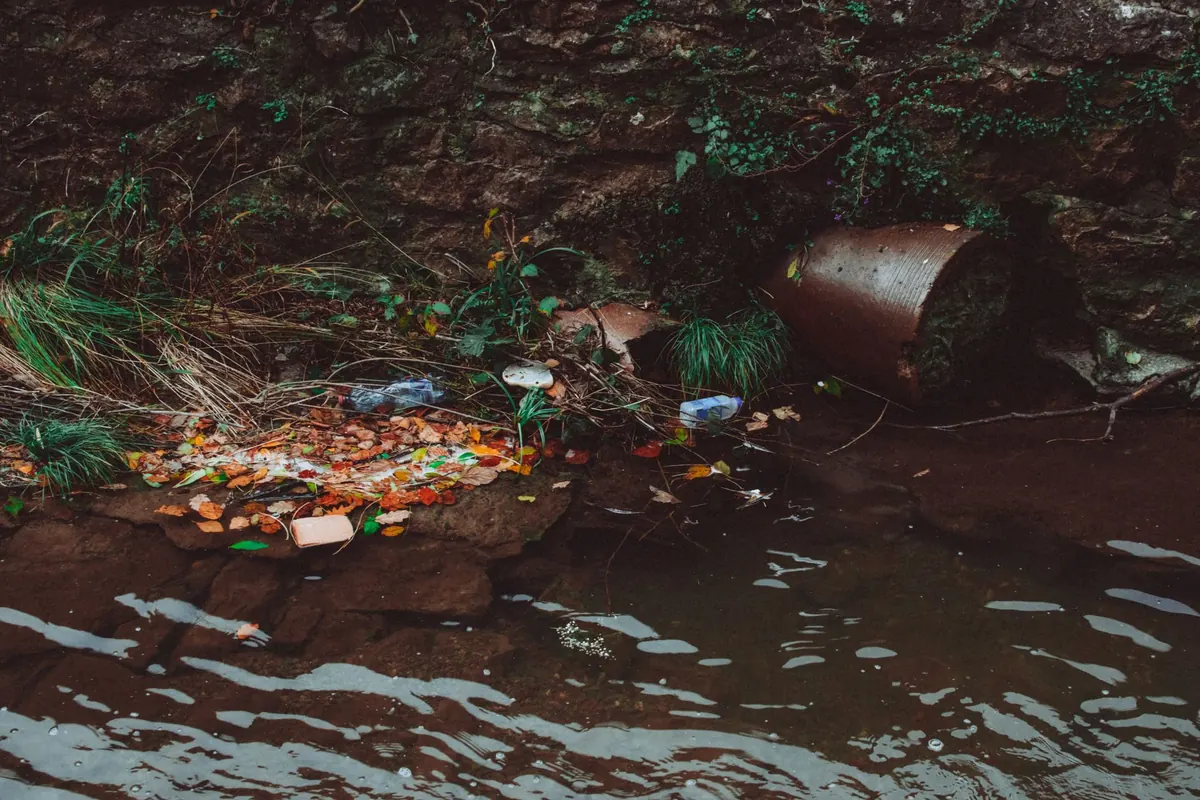
- Leave it as you found it: no litter, no trampled banks, gates closed behind you.
Photo: Gaspar Zaldo / Pexels